With the 28th annual United Nations (UN) climate meeting weeks away, a groundbreaking new series of films, now available online, explores the urgent health challenges posed by climate change.
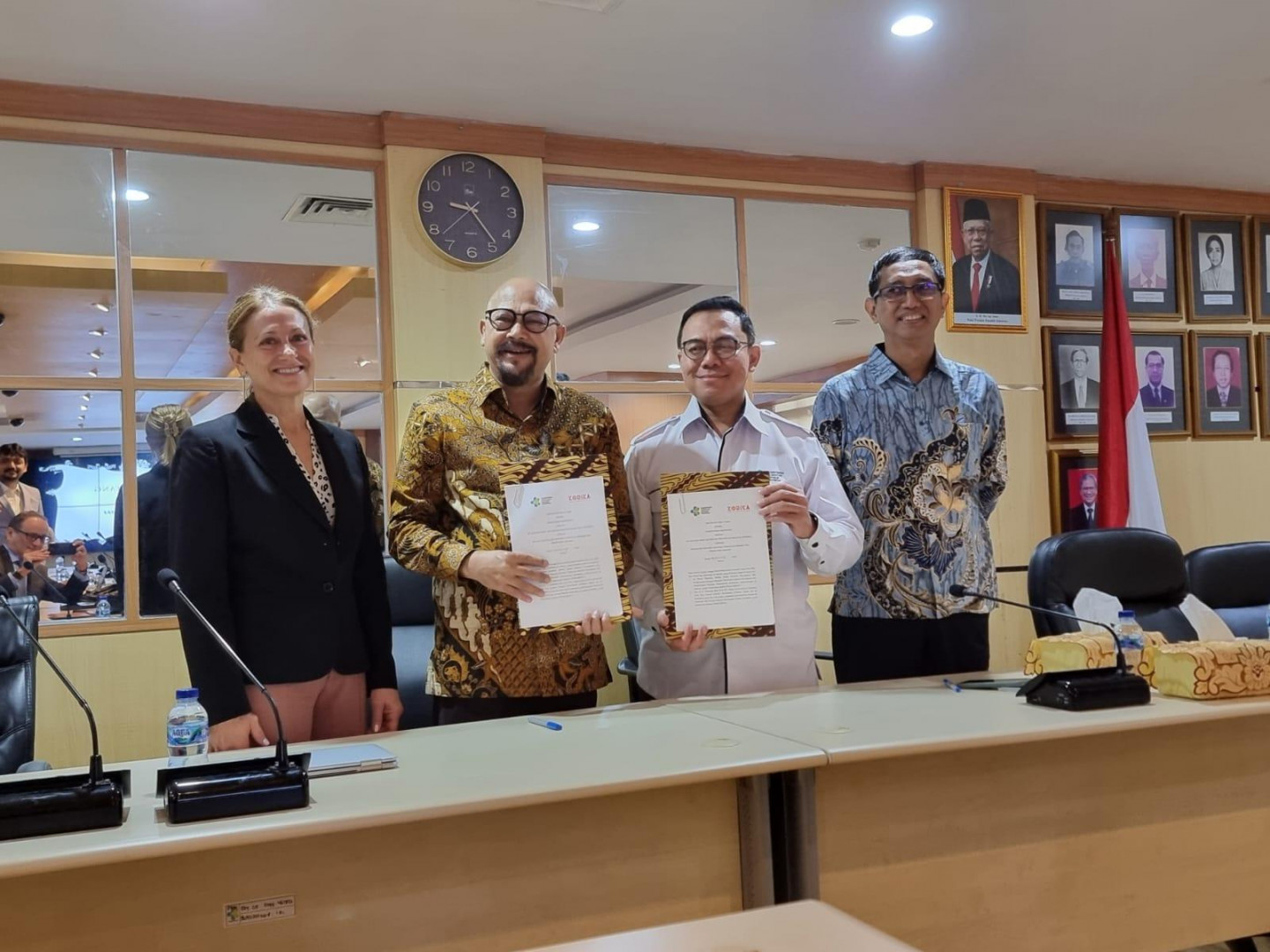
ClimateSmart Indonesia: Climate Health Partnership Announced Ahead of COP28
Two weeks before the start of the 2023 United Nations Climate Change Conference (COP28), Forecasting Healthy Futures’ Institute for Health Modeling and Climate Solutions (IMACS) announced a groundbreaking climate and health partnership aimed at expanding the recently launched ClimateSmart Indonesia Initiative working to climate-proof Indonesian health systems.
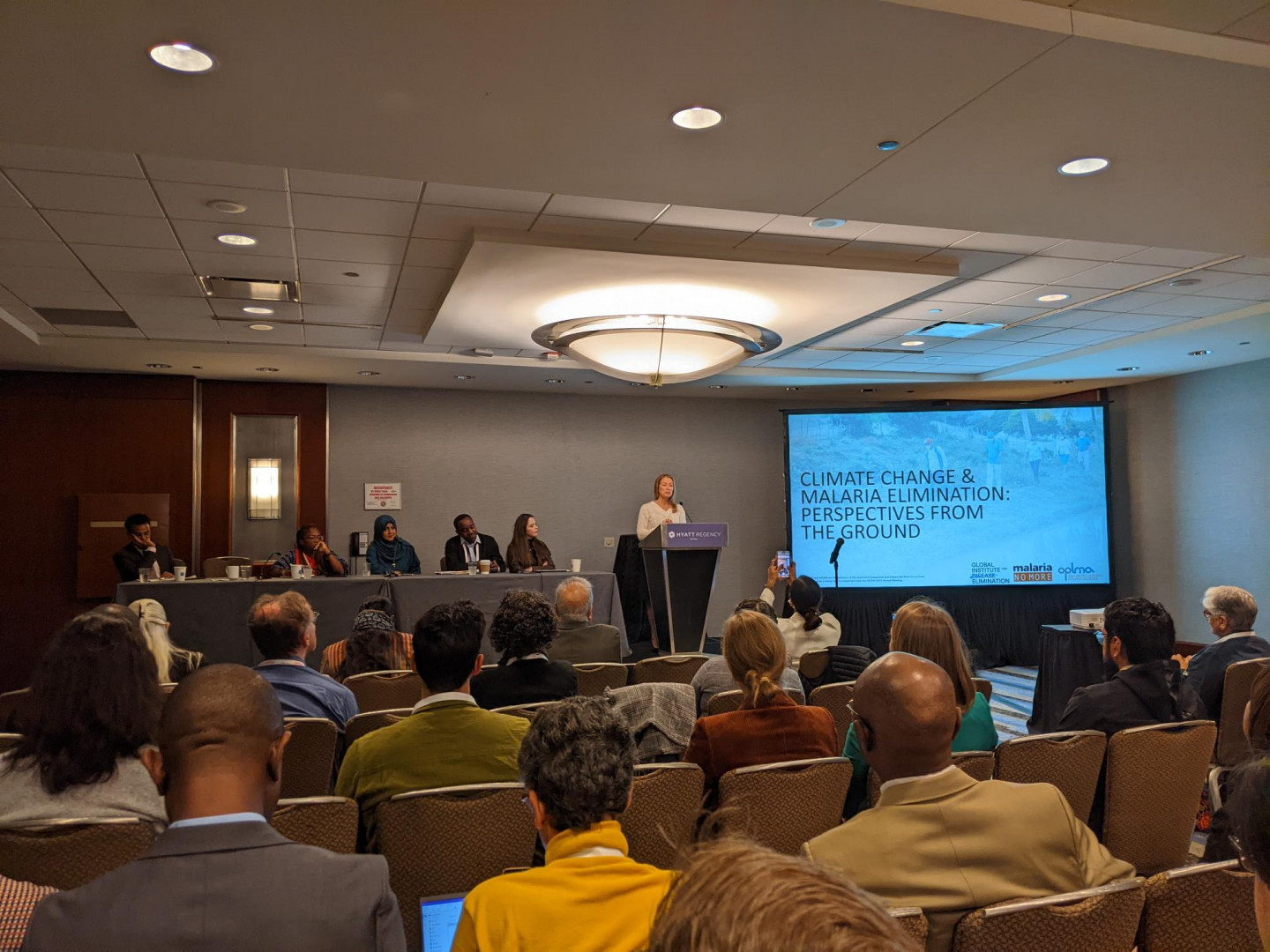
Forecasting Healthy Futures at ASTMH 2023
uring this year’s annual meeting of the American Society of Tropical Medicine & Hygiene in Chicago (October 18-22), Forecasting Healthy Futures put a spotlight on the intersection of climate and health through a series of affiliated events.

UN General Assembly: World Leaders & Experts Spotlight Climate-Health Intersection
This week, during the 78th United Nations General Assembly and New York Climate Week, global leaders and health experts descended on New York City, putting a spotlight on the impacts of climate change on human health.
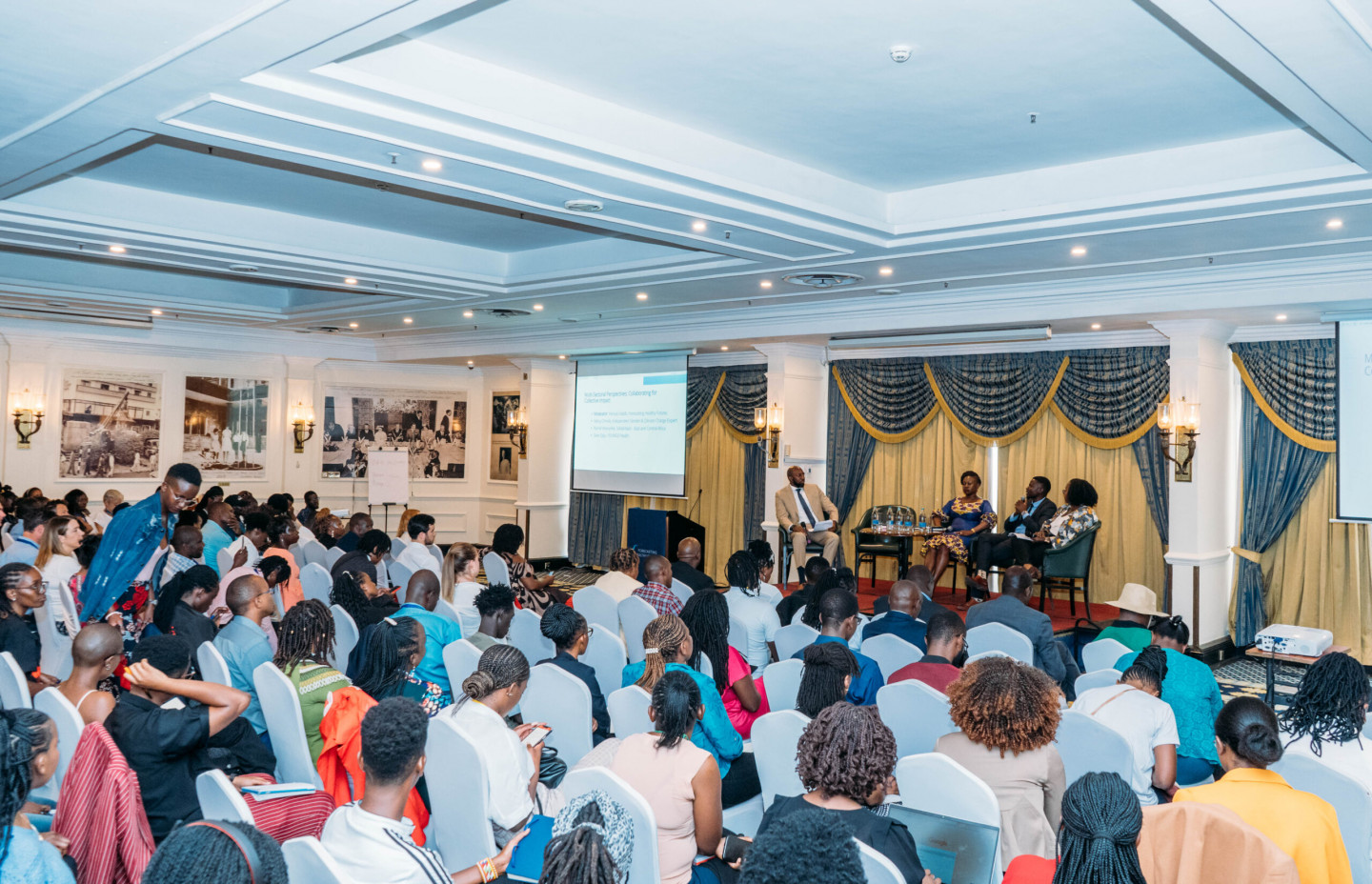
2023 Africa Climate Week: Experts Discuss Climate-Health Solutions Ahead of COP28
During the 2023 Africa Climate Summit and Africa Climate Week, Forecasting Healthy Futures hosted an event entitled “Climate Health Solutions: Close Up – Putting a Human Face to the Climate Imperative,” convening African global health leaders and other climate stakeholders to begin more constructive dialogue about the common health challenges and opportunities those communities face in the context of global warming.
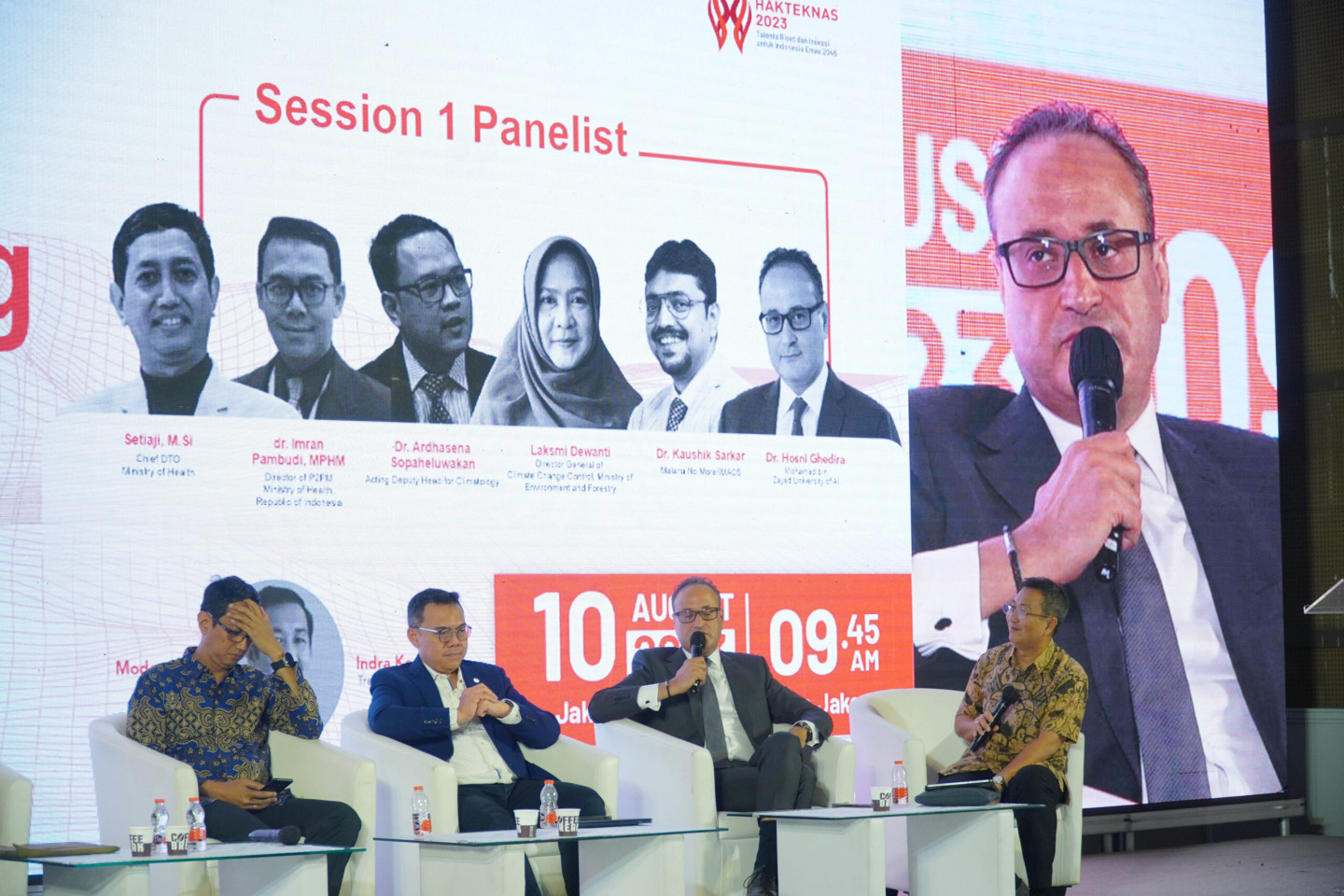
AI Innovation Summit 2023: Forecasting Healthy Futures Promotes AI-Driven Climate Health Solutions
This month, at the Artificial Intelligence Innovation Summit 2023 in Jakarta, Indonesia, Forecasting Healthy Future’s Managing Director of Strategic Initiatives, Kelly Willis, discussed the role of AI in driving climate + health solutions during her opening remarks ahead of the panel discussion entitled, “Unleashing the Power of Artificial Intelligence.”
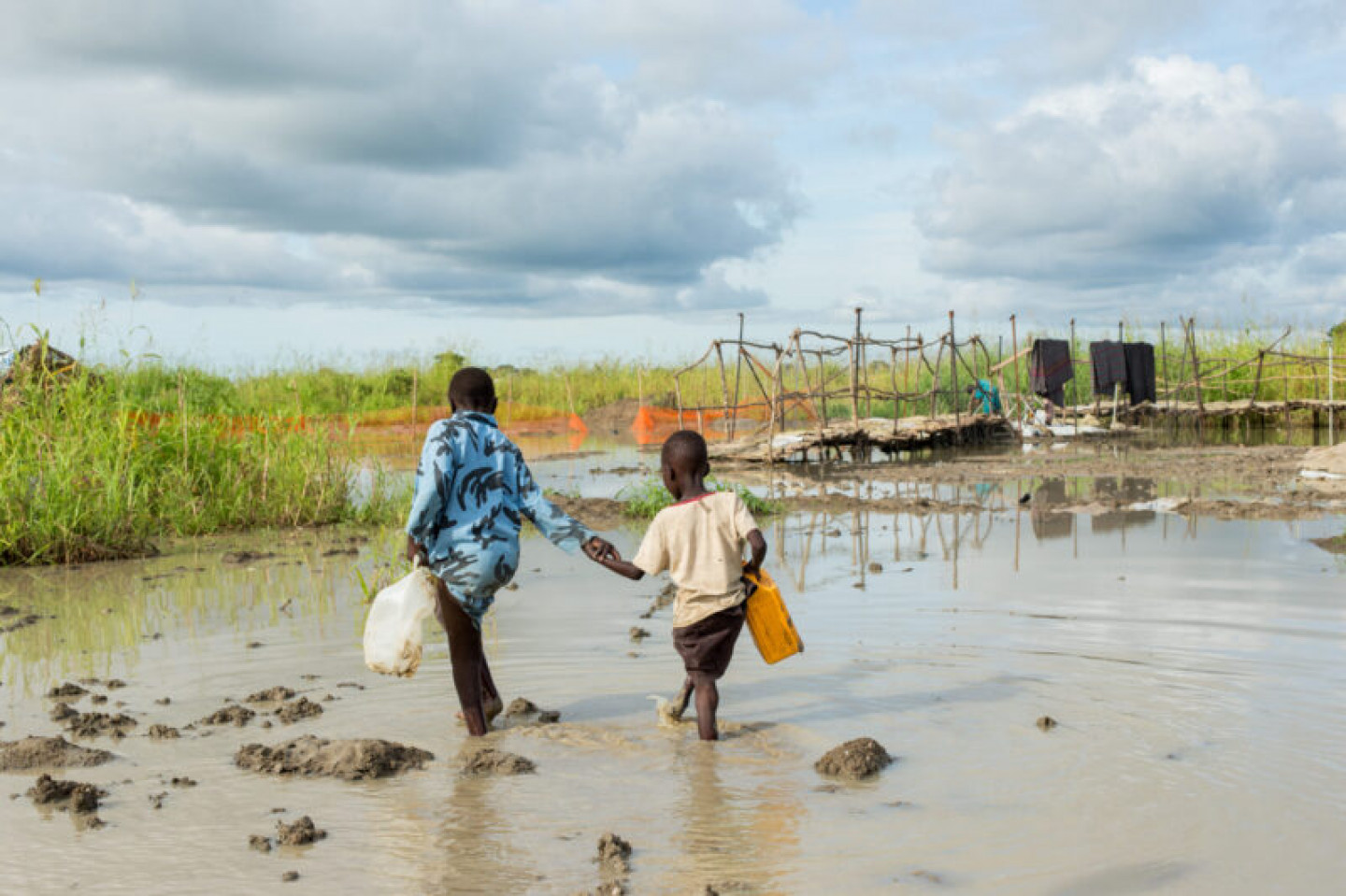
El Niño Exacerbates Climate-related Health Threats, Increasing Malaria Risks
After a 4-year hiatus, the natural climate phenomenon El Niño, has returned, with the National Oceanic and Atmospheric Administration (NOAA) declaring El Niño’s official 2023 start in June.
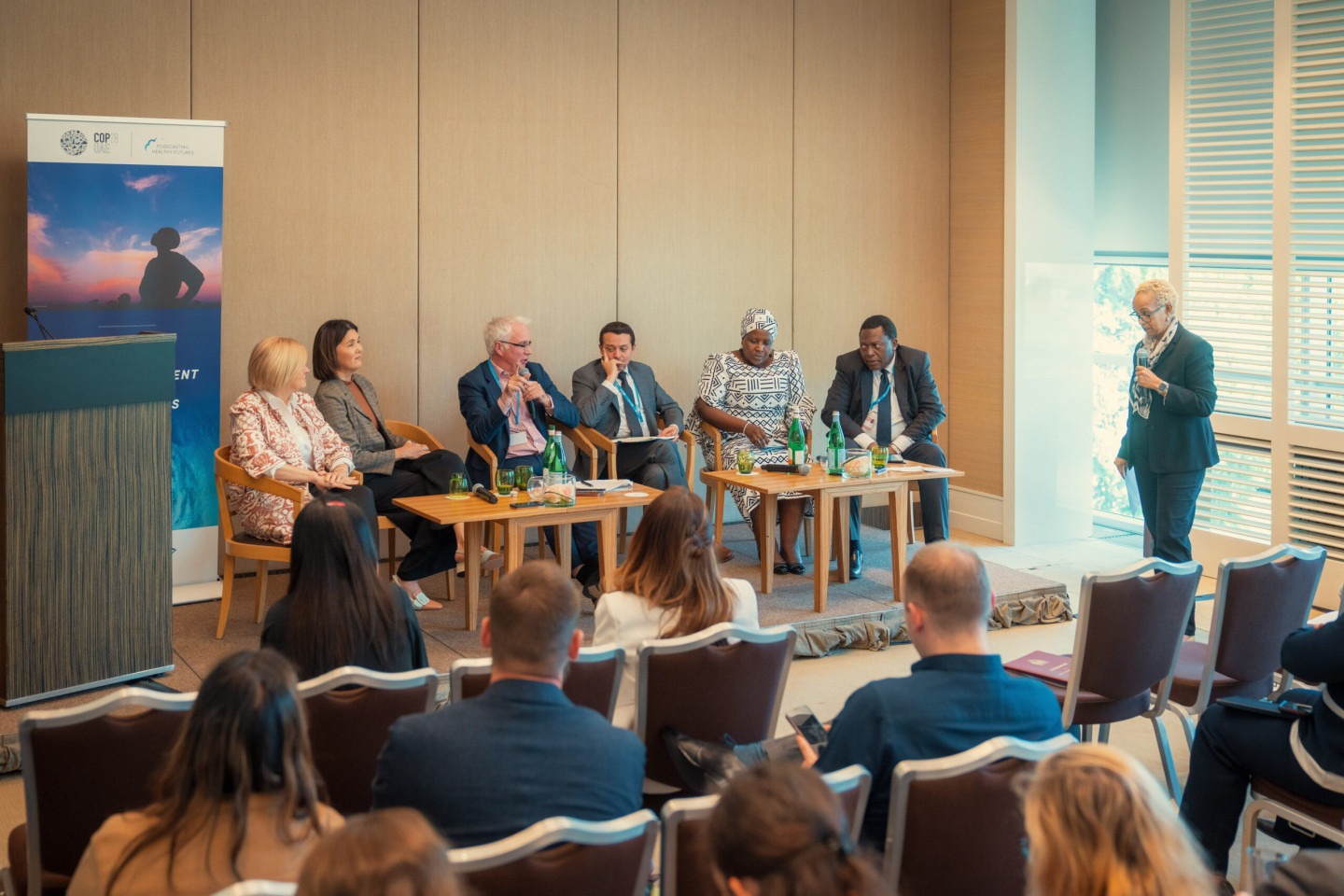
New Investments to Build Climate-Resilient Communities: A Conversation at WHA 76
On the sidelines of the 76th World Health Assembly, Forecasting Healthy Futures hosted an event entitled “New Investments to Build Climate-Resilient Communities: Putting Health at the Center of the Climate Agenda.” The event, co-hosted by COP28, Reaching the Last Mile, and the Global Institute for Disease Elimination (GLIDE) sought to engage the global health community in a conversation around catalyzing innovation and mobilizing new resources for climate-resilient health systems in most vulnerable geographies ahead of COP28.
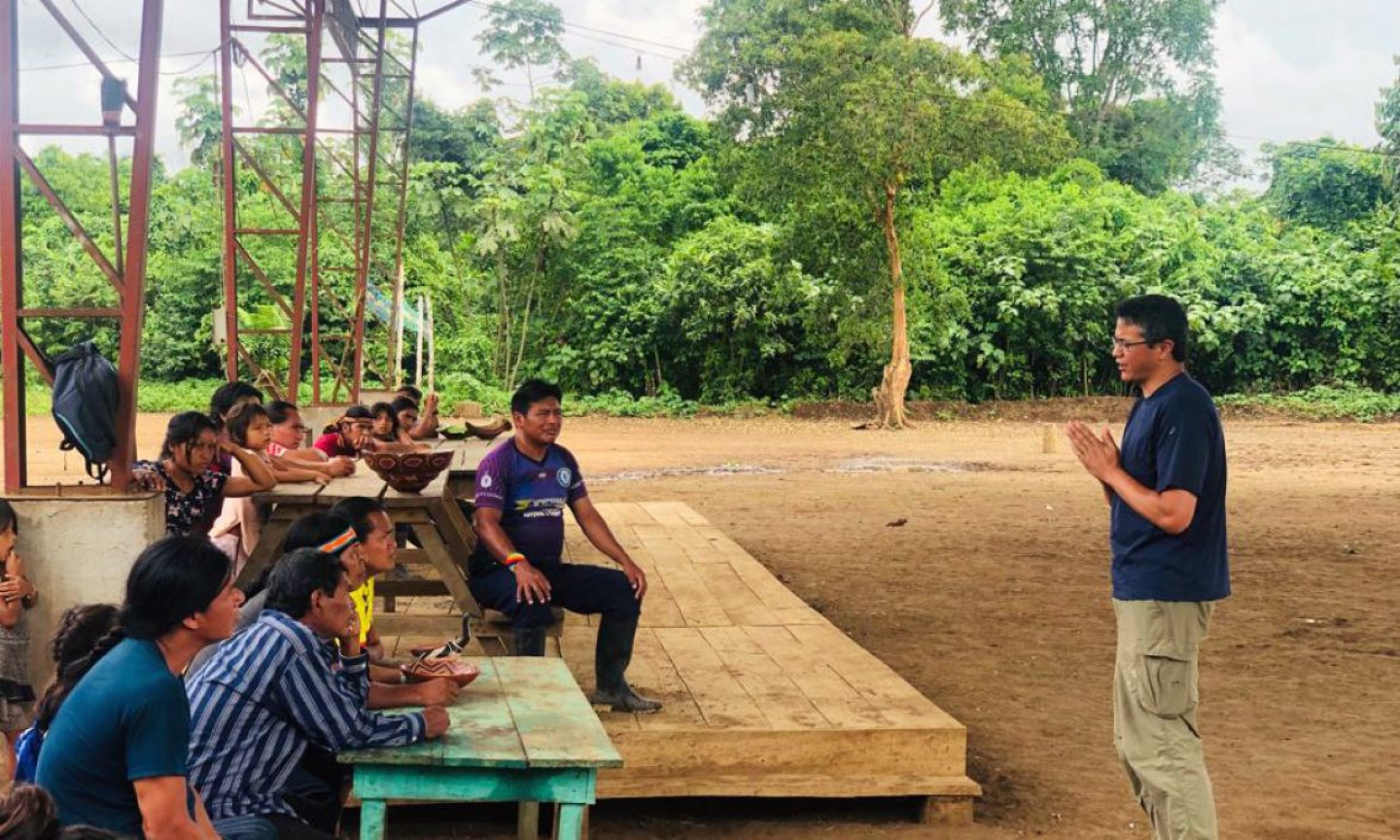
Institute of Health Modeling and Climate Solutions Expert Discusses New Lancet Study on Malaria Investments & Control
Overall, the study shows a clear relationship between malaria interventions and reduction in cases. Even with increasing transmission potential caused by climate change, interventions serve as a strong, adaptation tool that buffers the impact that climate can play in increasing human morbidity.