IMACS Receives Patrick J. McGovern Foundation Grant to Establish Its Central Data & Analytics Hub to Integrate Climate and Health Intelligence

WASHINGTON, DC, June 26, 2025 – The Institute for Health Modeling and Climate Solutions (IMACS), a global center of excellence advancing the integration of climate and health intelligence, today announced that, effective July 1, 2025, a new grant from the Patrick J. McGovern Foundation will support the establishment of its Central Data and Analytics Hub (CDAH). The hub will drive the advancement of IMACS’ climate health AI foundation model and related digital public goods, as well as a training program, to equip public health professionals with the knowledge and tools required to make data-informed decisions at the intersection of climate and health. 

IMACS recognizes that the core challenge is not the lack of climate data or advanced modeling, but the inability of existing health information systems to integrate and act on climate intelligence without disrupting established surveillance, reporting, and decision-making workflows. To address this, the CDAH will develop a climate-health foundation model– a versatile, pre-trained AI system built to understand patterns across large, diverse climate and health datasets. Unlike traditional AI models that are built for a single task, this foundation model can be rapidly adapted to forecast multiple diseases and risks across different countries and contexts. Alongside this, CDAH will deliver hands-on training and ready-to-use digital tools to help public health professionals apply these insights in real time– strengthening decision-making without requiring costly changes to existing health information systems. 

The CDAH builds on IMACS’s earlier successes in India and initial work in Indonesia, where AI fusion models demonstrated the value of integrating climate and health data. This foundation was strengthened through support from the Patrick J. McGovern Foundation in 2024, which enabled the development of a scalable, multi-disease forecasting engine that uses edge technology and deep neural networks and training of public health professionals to incorporate climate intelligence into national public health systems. 

With this new grant, IMACS will build on these accomplishments to launch a next-generation platform comprising five integrated components: an AI research and development environment; AI and digital public goods marketplace and registry; a system integration and deployment layer; a dedicated training environment; and a real-world evaluation sandbox. The platform will host a curated suite of foundation models and turnkey, modular tools designed to connect climate data, population vulnerabilities, and health system decision workflows– enabling rapid deployment without requiring major changes to existing national infrastructures. 

“At IMACS, we’re embarking on a new chapter thanks to a generous grant from the Patrick J. McGovern Foundation,” said Dr Kaushik Sarkar, IMACS Director. “This funding will enable us to build a central data and analytics hub– a game-changing platform that moves predictive models out of the lab and into the field, empowering decision-makers, strengthening health systems, and delivering timely warnings and support to vulnerable communities. Grounded in science, driven by speed, and committed to equity, we will turn data into lifesaving public health action.” 

“As climate risks become more widespread, new tools empower public health professionals to better predict and respond to infectious disease outbreaks linked to shifting weather and temperature patterns. IMACS delivers AI solutions through deployment-ready models that can be scaled and integrated into existing national health infrastructures,” said Vilas Dhar, President of the Patrick J. McGovern Foundation. “Our partnership advances this transformative work by equipping public health professionals with resources to protect the world’s most vulnerable communities.” -

About PJMF 

The Patrick J. McGovern Foundation (PJMF) is a philanthropic organization dedicated to advancing artificial intelligence and data science solutions to create a thriving, equitable, and sustainable future for all. PJMF works in partnership with public, private, and social institutions to drive progress on our most pressing challenges, including digital health, climate change, broad digital access, and data maturity in the social sector. 

About IMACS 

The Institute for Health Modeling and Climate Solutions (IMACS) is a global center of excellence with the mission to empower the world’s most climate-vulnerable countries with the tools, data, and expertise needed to predict, prevent, and respond to climate-sensitive health threats. IMACS is redefining how climate intelligence is operationalized in public health– by building and scaling AI-powered digital public goods that integrate and model climate and health data. Through the application of machine learning, interoperable platforms, and next-generation early warning systems, IMACS enables real-time risk detection and proactive responses at scale. IMACS supports countries through co-designed implementation pathways– orchestrating data cooperation, strengthening national health and climate information systems with tailored innovations, training frontline actors and policymakers, and institutionalizing their use through clear SOPs and sustainability guidelines. By unlocking the value of climate and health data, IMACS helps transform fragmented information into strategic, actionable knowledge– enabling smarter decisions, better preparedness, and more resilient health systems in the era of climate disruption. 
ClimateSmart Indonesia Launches Novel AI Public Health Platform to Tackle Climate-Driven Diseases 

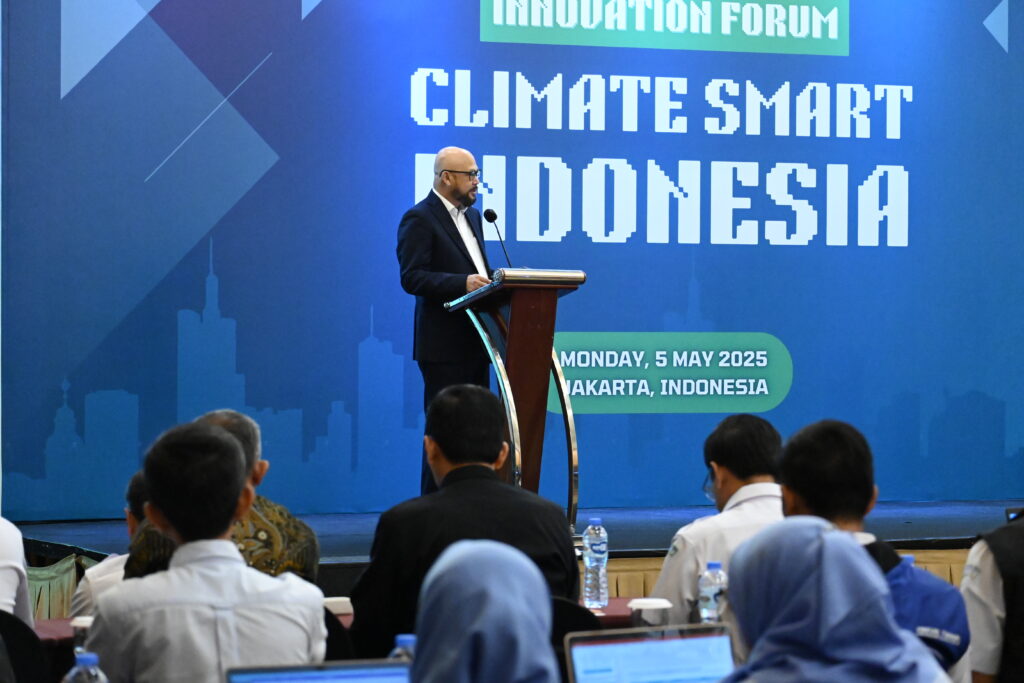
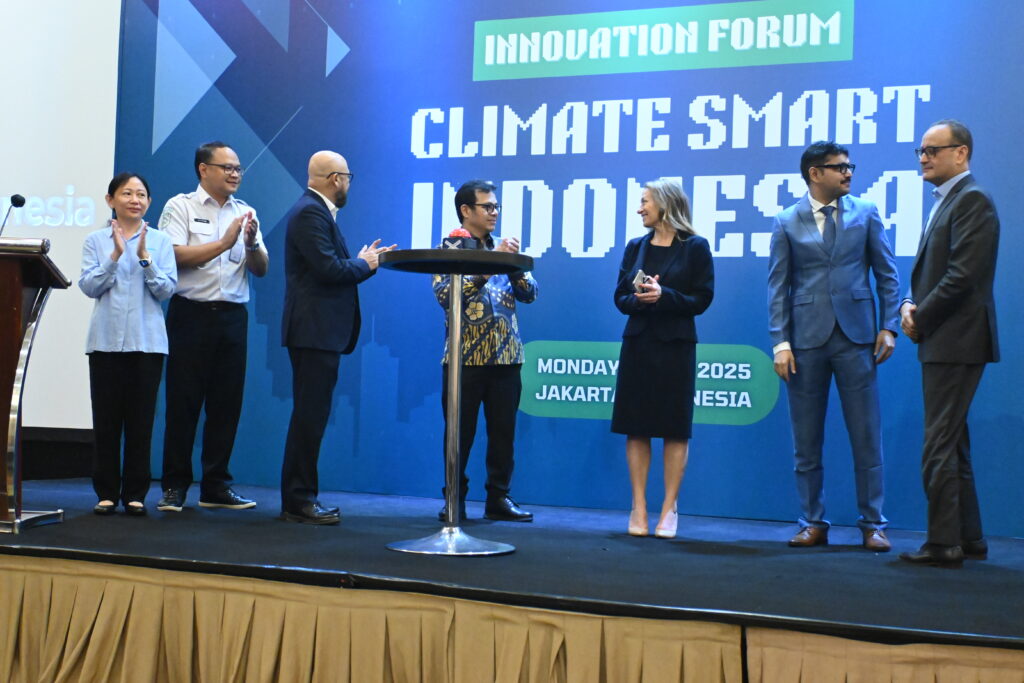
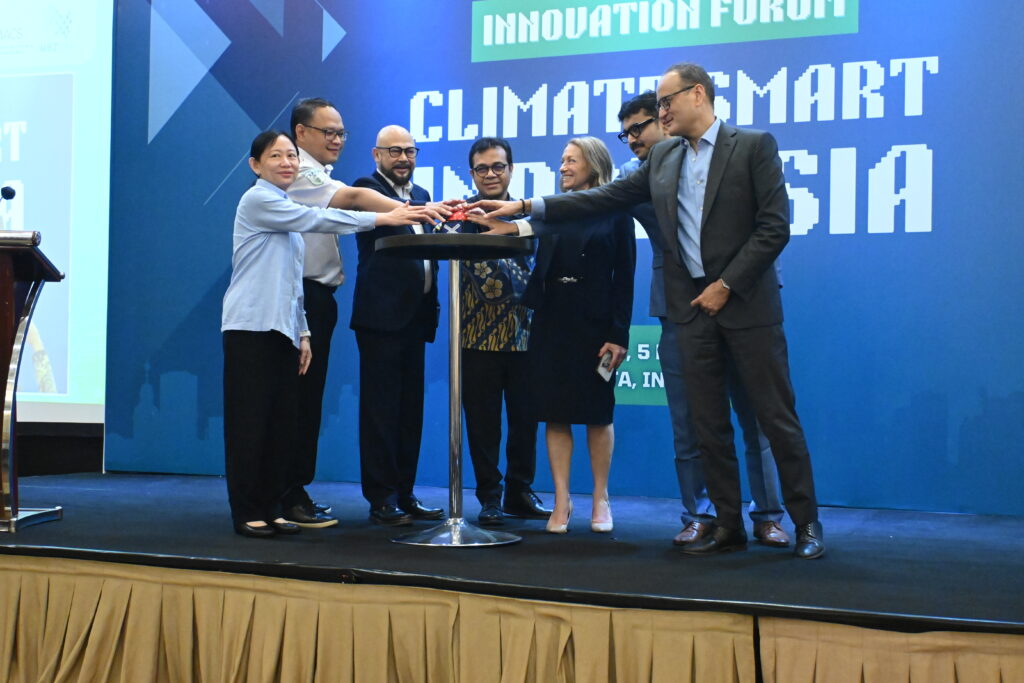
JAKARTA (May 12, 2025) – As part of a broader effort to build more climate-resilient health systems, ClimateSmart Indonesia recently launched (5/5/2025) the world’s first AI-enabled, dual-capability technology platform for forecasting and responding to climate-sensitive diseases.   

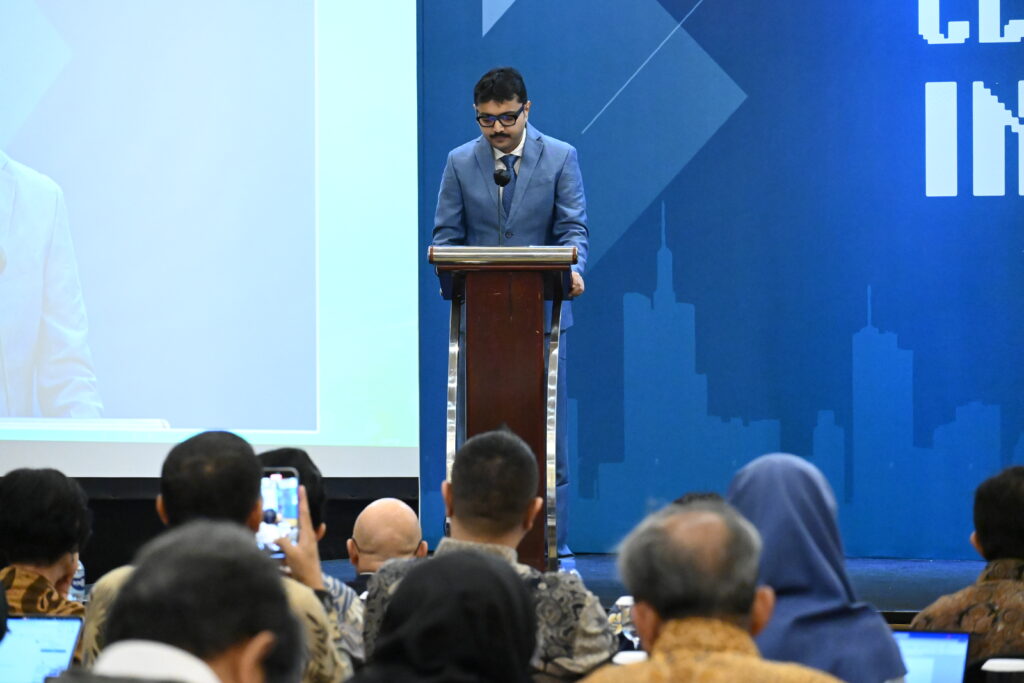
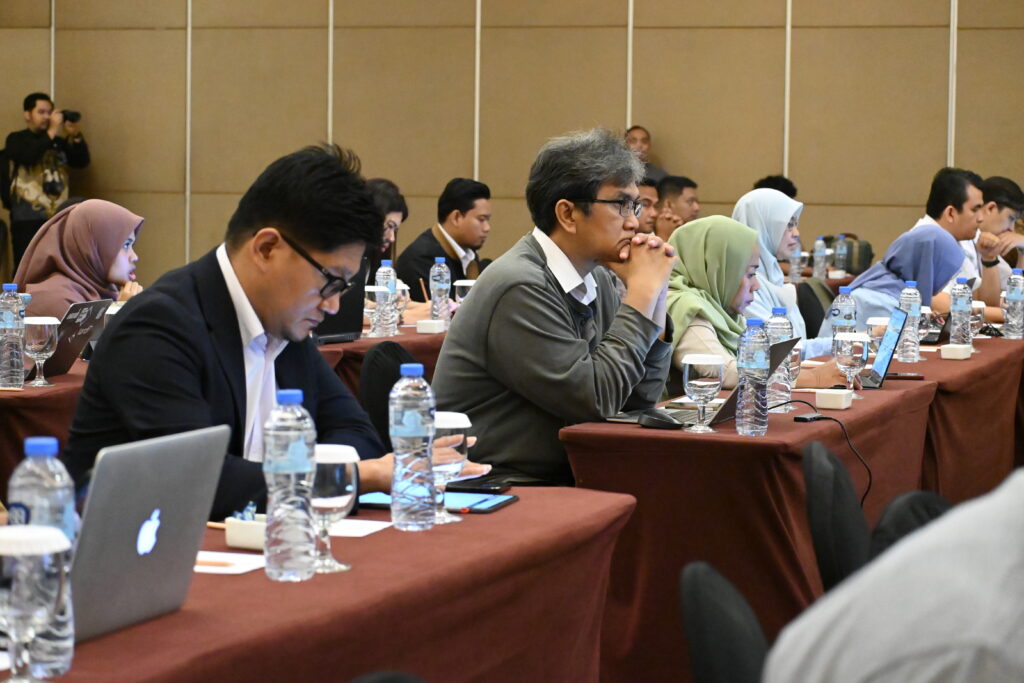
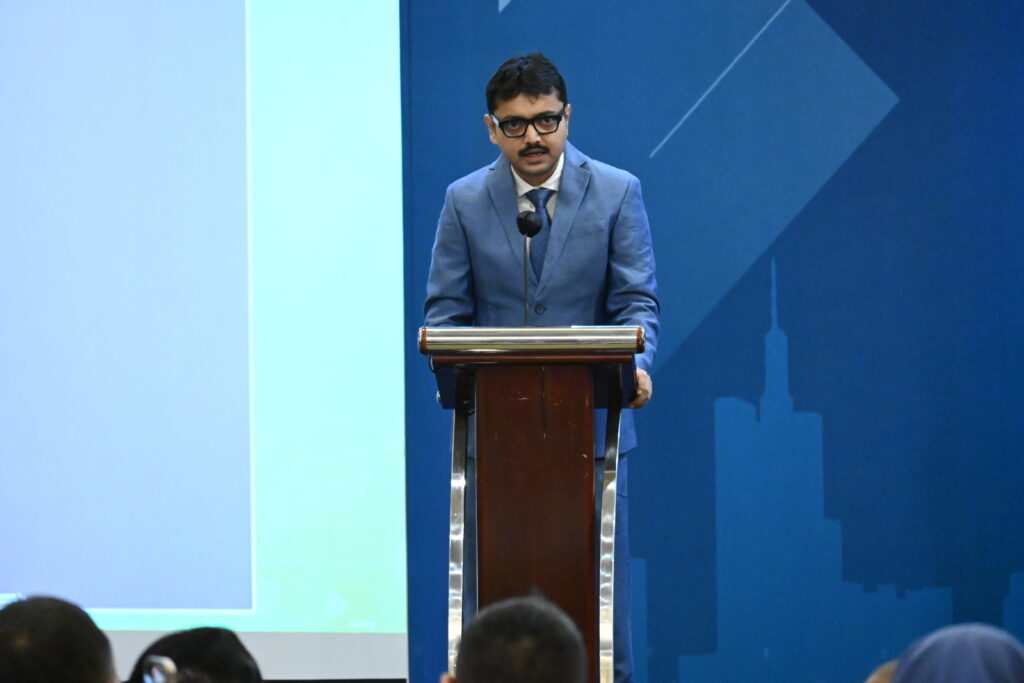
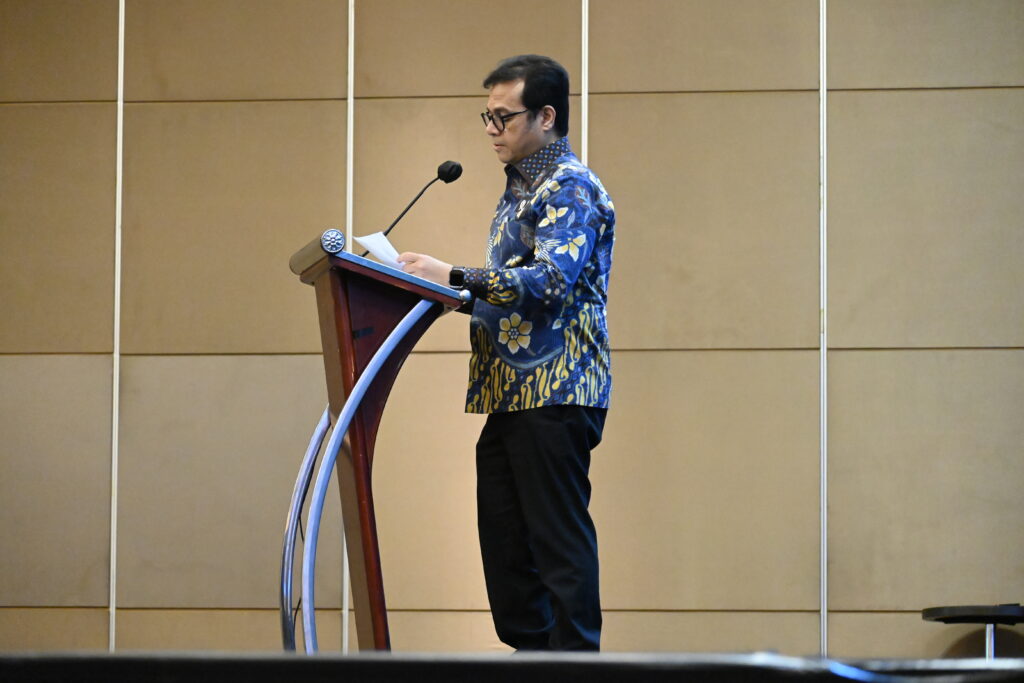
Developed by the Institute for Health Modeling and Climate Solutions (IMACS),  the Indonesian Collaborative Research and Industrial Innovation in AI (KORIKA), and the Mohamed bin Zayed University of Artificial Intelligence (MBZUAI), the technology platform debuted in Jakarta during the “ClimateSmart Indonesia Innovation Forum” under the auspices of Indonesia’s Ministries of Health, Environment, and Communications and Digital Affairs, and in partnership with the country’s meteorology, climatology, and geophysical agency BMKG. The ClimateSmart Indonesia initiative has been working in partnership with these agencies and other stakeholders over the last two years, to advance climate and health data systems and their application in Indonesia, through a collaborative process with funding from Reaching the Last Mile (RLM) and the Patrick J. McGovern Foundation.  

Climate & Health Technological Breakthrough 

The technology platform developed under the ClimateSmart Indonesia initiative has two main features representing major advances in public health data systems and technology: 

  • Digital Twin Indonesia that visually models future climate and weather scenarios, and maps emerging disease hotspots to allow early intervention for prevention and response. 
  • AI Dashboard that delivers hyperlocal forecasts, real-time alerts, and scenario-based planning tools for public health officials to improve the cost-efficiencies of disease control programs.  

With predictive accuracy exceeding 90%, this system can anticipate outbreaks of malaria, dengue fever, leptospirosis, and 4 other climate-sensitive diseases. 

An Ecosystem for the Future 

The technology platform’s technological innovations include: 

  • AI-based malaria detection from microscope images research 
  • Development of a GPT-RAG (Retrieval-Augmented Generation) language model for climate-health policy, combining the capabilities of large language models (LLMs) with retrieval mechanisms to provide contextually relevant and accurate responses. 
  • A powerful database architecture that integrates climate, health, and demographic data 

ClimateSmart Indonesia aims to help the Indonesia Government design and implement a “best in class” early warning and response system (EWARS) to address the growing threat of climate-sensitive diseases and other challenges to public health.  

“Indonesia is the ideal location for establishing a regional center of excellence for AI, climate, and health. By harnessing the power of artificial intelligence and advanced data analytics, Indonesia is pioneering innovative approaches to anticipate, adapt to, and mitigate the complex health challenges posed by our changing climate,” said Prof. Dr. Hammam Riza, President of KORIKA. “In the coming weeks, we hope to launch a task force to plan for this center of excellence, which will build on Indonesia’s national ecosystem of innovation, science, and governance, serving as a resource for other countries working toward more climate-resilient health systems.”

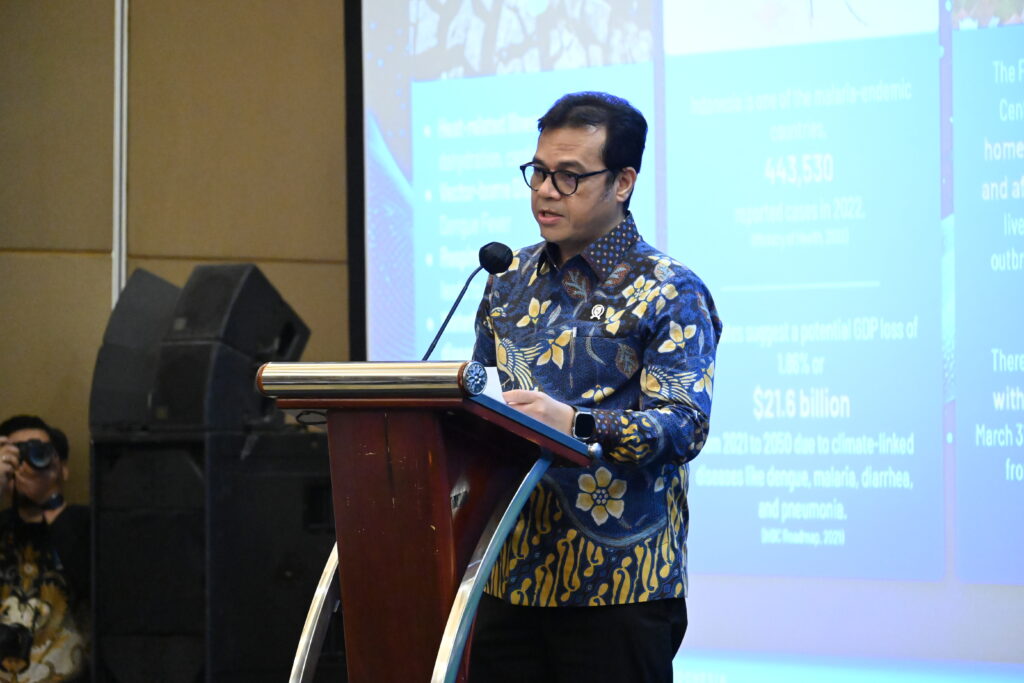
The launch of the novel digital technologies by the ClimateSmart Indonesia partners represents a pivotal step in the nation’s use of AI to tackle the dual challenges of climate change and public health. “This is not just a technological milestone; it reflects a strong national commitment to protecting lives today while building a more resilient and sustainable future through innovation and global collaboration,” stated Vice Minister of Komdigi Nezar Patria, M.Sc., MBA.

Speaking at the opening ceremony, the Meteorological, Climatology and Geophysics Agency (BMKG) Chairman Dwikorita Karnawati said the urgency of integrating climate and health data to address escalating disease threats. “Studies show that climate is a significant driver of increased human exposure to various diseases,” she said. “Changes in temperature and rainfall patterns affect exposure to water- and food-borne illnesses, such as salmonella, and vector-borne diseases like Lyme disease.”

“ClimateSmart Indonesia represents a paradigm shift in how we approach climate-sensitive diseases,” said Michael Andreas Purwoadi, Infrastructure Deputy at BMKG. “By integrating climate and health information and harnessing AI for prediction and planning, it enables Indonesia to analyze and address disease risks with unprecedented speed and precision.” 

“By integrating climate and health intelligence, Indonesia is setting a global precedent,” said Dr. Setiaji, Chief of the Digital Transformation Office at the Ministry of Health. “Through Satu Sehat and ClimateSmart, we’re defining the future of digital public health.”

“To strengthen the resilience of the health system, we need strong health data and significant investments in early warning systems and surveillance. Accurate data is essential for climate-related disease strategy development,” said Then Suyanti, Director of Environmental Health at the Ministry of Health, representing the Minister of Health Ir. Budi Gunadi Sadikin.

During the event, Kelly Willis, Global Lead of the Forecasting Healthy Futures Consortium, highlighted the role of climate data and AI in predicting and preventing the health impacts of climate change. “Forecasting Healthy Futures has a broader mandate to protect global health gains against climate change’s effects. We work by convening experts and mobilizing funding worldwide to invest in health systems that are vulnerable to climate change, making them more resilient,” she explained.

Dr. Kashik Sarkar, Director of IMACS, emphasized that climate change impacts health in three significant ways: it determines who is affected, where individuals can access services, and how diseases cluster geographically, particularly affecting the most vulnerable populations. He stated, “These dynamics make climate and health information crucial. Unfortunately, climate and health data are still siloed across the globe. As a result, most health systems lack an integrated solution. This is where AI comes in; it can help merge this information.”

### 

About Forecasting Healthy Futures 

Forecasting Healthy Futures is a global coalition of leading health and technology organizations committed to mobilizing the political will, financial resources, and innovative solutions needed to protect global health gains from the threats posed by climate change. Malaria No More convenes and leads the consortium. Forecasting Health Futures’ partners include Reaching the Last Mile, Mohamed Bin Zayed University of Artificial Intelligence, the Global Institute for Disease Elimination (GLIDE), PATH, the Tableau Foundation, IBM’s Weather Company, and the Institute for Health Metrics and Evaluation (IHME). For more information, visit: www.ForecastingHealthyFutures.org

About Reaching the Last Mile 

Reaching the Last Mile (RLM) is a portfolio of global health programs working towards disease elimination that is driven by the personal commitment of His Highness Sheikh Mohamed bin Zayed, President of the United Arab Emirates. The Initiative provides treatment and preventative care in communities that lack access to quality health services, with a specific focus on reaching the last mile of disease elimination. RLM’s mission represents His Highness’s dedication to ending preventable diseases that affect the world’s poorest and most vulnerable communities and helping millions of children and adults live healthy, dignified lives. For more information, visit: https://www.ReachingTheLastMile.com 

For media inquiries, please contact: Sharan Sunner | Seven Media, on behalf of Reaching the Last Mile, sharansunner@sevenmedia.ae | +971 (0)55 698 4327 

About Mohamed bin Zayed University of Artificial Intelligence (MBZUAI) 

MBZUAI is a graduate, research university focused on artificial intelligence, computer science, and digital technologies across industrial sectors. The university aims to empower students, businesses, and governments to advance artificial intelligence as a global force for positive progress. MBZUAI offers various graduate programs designed to pursue advanced, specialized knowledge and skills in artificial intelligence, including computer vision, machine learning, and natural language processing. For more information, please visit www.mbzuai.ac.ae 

About KORIKA 

KORIKA, Collaborative Research and Industrial Innovation in AI, stands as a pioneering force in advancing the landscape of AI research, development, and innovation within Indonesia. Established in 2021, KORIKA has consistently been at the forefront of catalyzing progress in the field of artificial intelligence. Their dedication to fostering trustworthy AI systems, while respecting the rich cultural and societal values of Indonesia, aligns seamlessly with the nation's ambitious vision of becoming a global innovation powerhouse. KORIKA has become a pivotal hub, bringing together experts, researchers, and industry leaders to collectively drive the growth and application of AI technologies. For more information, please visit: https://korika.id/.  

Forecasting Healthy Futures Discusses Scaling Wolbachia Replacement Technology to Block Dengue Transmission with Oxitec CEO, Grey Frandsen

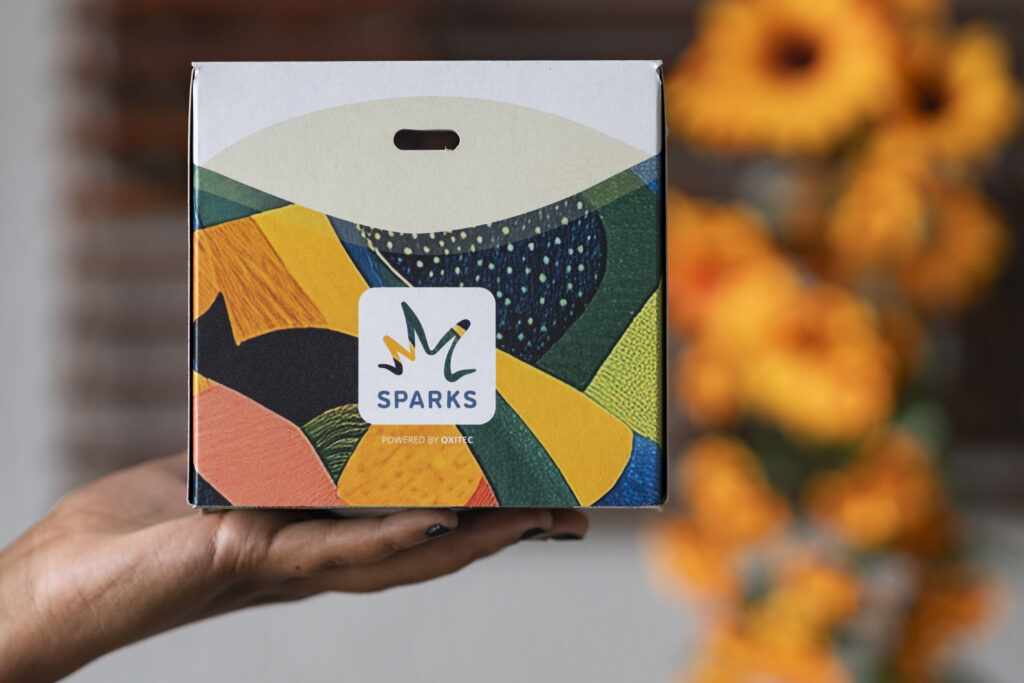
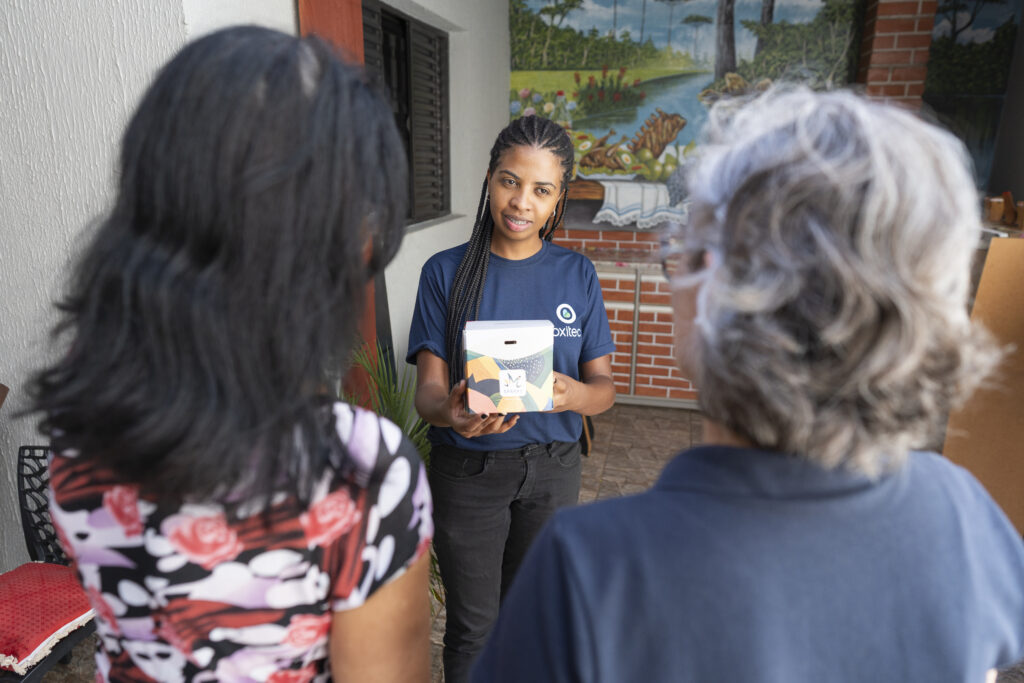
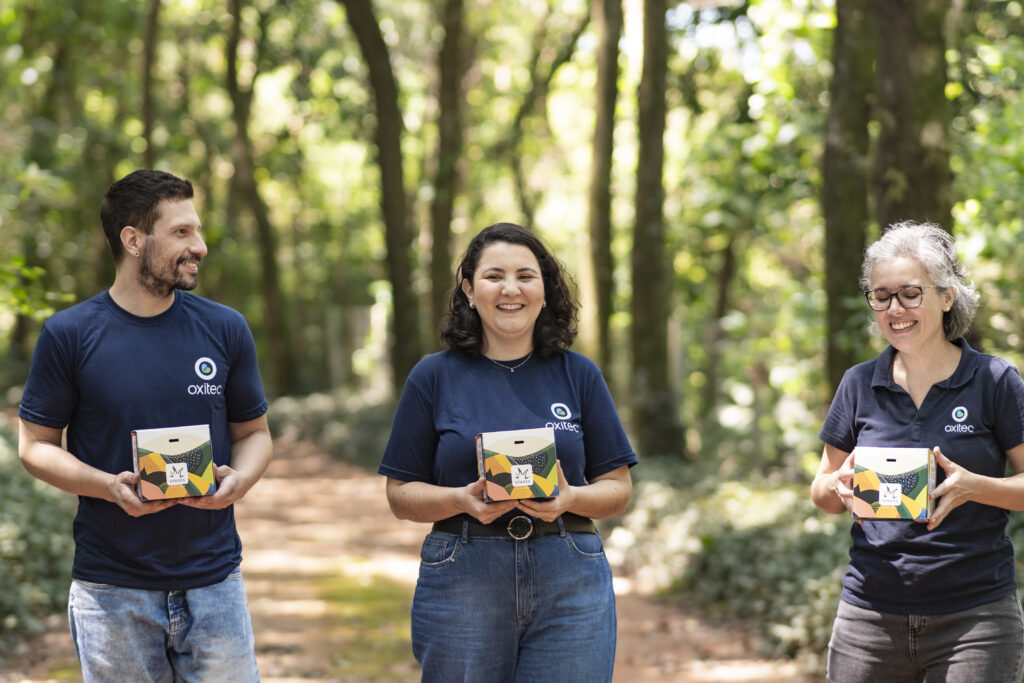
In a discussion with Forecasting Healthy Futures, Oxitec's CEO Grey Frandsen discusses the company’s latest milestone: breaking ground on the world’s largest Wolbachia mosquito facility. As part of Oxitec’s Sparks™ platform, this facility will accelerate the global scale-up of Wolbachia replacement technology, a proven, sustainable method of limiting mosquitoes’ ability to transmit dengue. 

Can you tell us about dengue and why Oxitec is working to address this issue specifically?

FRANDSEN: The world is experiencing a dengue crisis. Last year, the World Health Organization highlighted that cases were the highest on record, most likely in the hundreds of millions. Climate change is driving the spread of invasive Aedes aegypti mosquitoes into new territories, and existing tools are failing to keep pace – innovative, climate-resilient, sustainable solutions are urgently needed, at scale, to mitigate the worsening effects of climate change on the spread of dengue.

In forging a path for new mosquito technologies to combat Aedes aegypti, Oxitec has led the way in developing and scaling good mosquitoes to fight disease-spreading mosquitoes. With two decades of innovation, pilots and regulatory approvals, we’re now scaling up two technologies to meet this growing challenge: Friendly™ mosquitoes to suppress Aedes aegypti, and Sparks™ Wolbachia mosquitoes to block dengue transmission.

Oxitec’s Friendly™ technology is highly targeted and effective in reducing biting and disease transfer of mosquitoes in urban environments, serving both public and private customers. Sparks™ Wolbachia mosquitoes will complement this solution, providing an area-wide intervention for governments.

Oxitec just announced it broke ground on the world’s largest Wolbachia mosquito facility in Brazil. Can you tell us more about the facility and why this is significant?

FRANDSEN: Oxitec already operates the world’s biggest mosquito factory, supplying Friendly™ Aedes technology – the world’s first commercially scaled mosquito-base suppression technology – to communities, businesses, schools, hospitals and other customers across Brazil seeking effective mosquito-control.

Now, we’re leveraging our proven infrastructure, advanced manufacturing, and implementation systems into building Brazil’s largest Wolbachia production facility. Wolbachia is already proven to reduce dengue transmission in communities – we’re excited to be playing our part in helping make this solution available to a larger number of communities.

What makes this significant is scale. With this facility, we’ll be able to protect up to 100 million people a year from dengue—just from this one site. And we’re building it in Brazil, a country on the front line of the global dengue crisis, so we can deliver this technology to the communities that need it most, in Brazil and globally, leveraging Oxitec’s global distribution network.

What is Wolbachia Replacement Technology? Is it safe?

Wolbachia Replacement Technology – or WRT – is a natural, safe and proven method that uses mosquitoes carrying the Wolbachia bacterium to reduce the spread of dengue. When these mosquitoes are released into a community, Wolbachia spreads through the mosquito population and blocks the viruses they carry. Over time, this reduces the mosquitoes' ability to transmit disease.
It’s been tested extensively, including in a landmark trial in Indonesia that showed a 77% reduction in dengue cases and an 86% drop in hospitalizations. Regulatory bodies worldwide have reviewed it, and it’s been safely used in many countries.

What’s your hope with scaling WRT?

FRANDSEN: Ultimately, our mission is to protect one billion people from dengue. The science is there. Now the challenge is scale. That’s what the Sparks™ platform aims to achieve – taking a proven technology and building the infrastructure and partnerships to deliver it affordably, at speed, and at scale. Our aim is that, by scaling Wolbachia, we can deliver widespread, lasting impact to communities most vulnerable to dengue, helping address an urgent public health challenge.

###

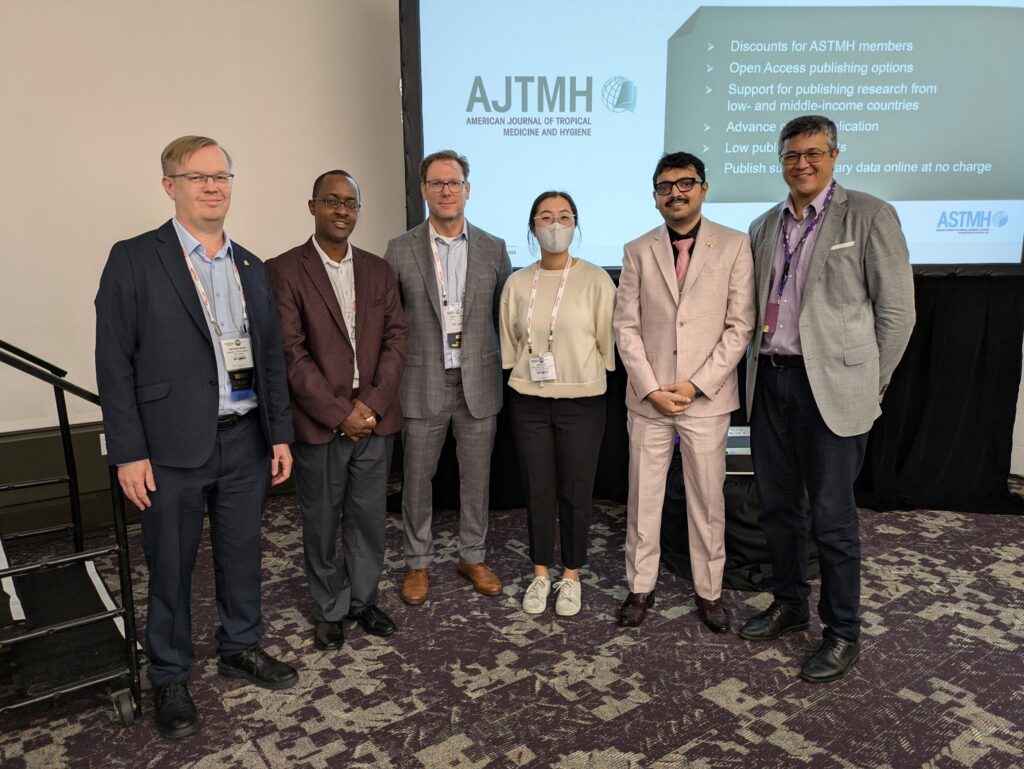
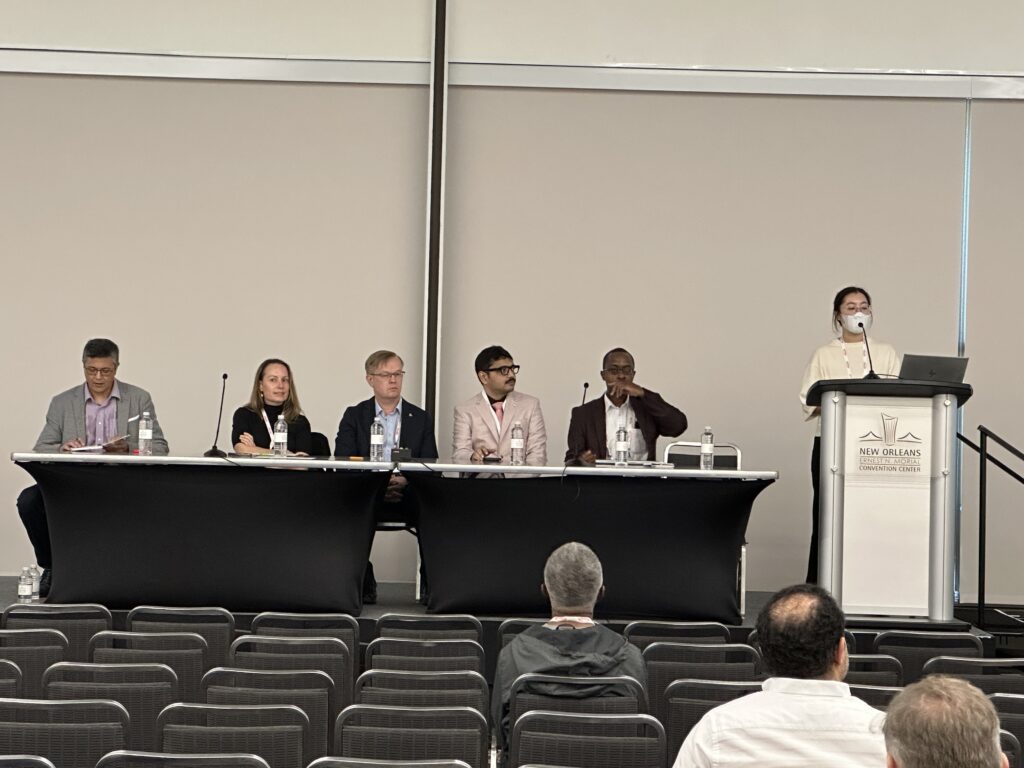
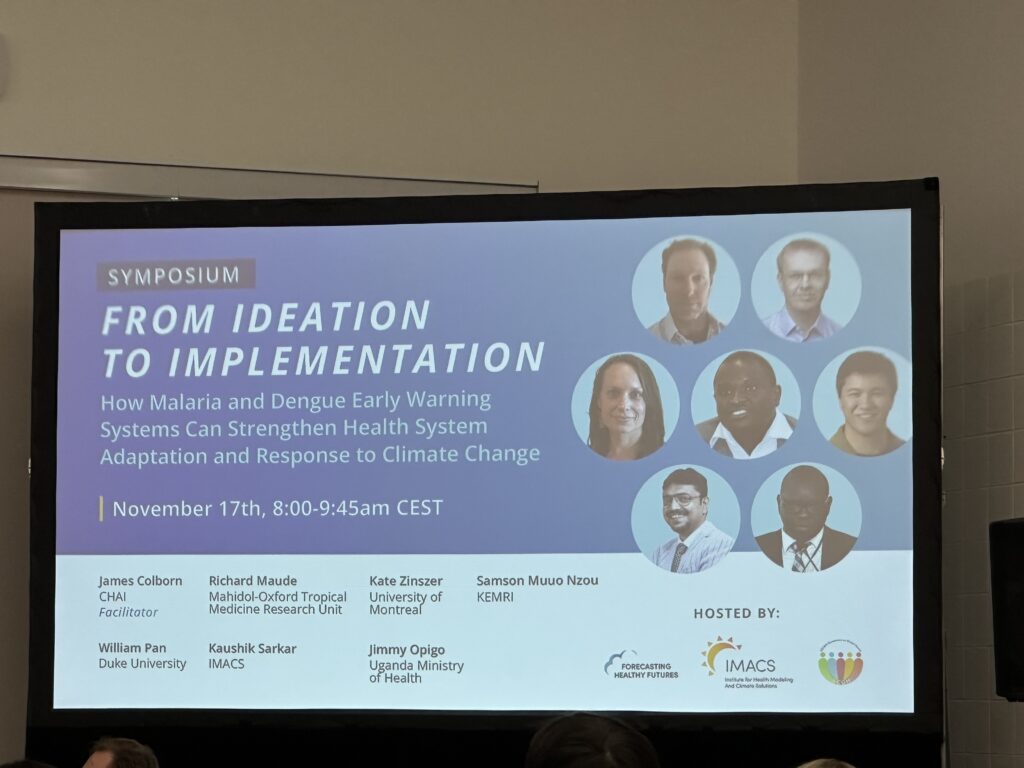
ASTMH 2024: A Discussion on How Malaria and Dengue Early Warning Systems Can Strengthen Adaptation and Response to Climate Change

The World Bank estimates that climate change could lead to at least 21 million additional deaths by 2050 from just five health risks (extreme heat, stunting, diarrhea, dengue and malaria). To explore new perspectives and actionable solutions in response to the impending health impacts of climate change, the Institute for Health Modeling and Climate Solutions (IMACS) hosted a symposium at the American Society of Tropical Medicine and Hygiene (ASTMH) 2024 annual meeting, featuring members of the IMACS expert network.


The panel discussion, entitled, “How Malaria and Dengue Early Warning Systems Can Strengthen Adaptation and Response to Climate Change,” included reflections and observations on how climate-informed early warning systems (EWS) have the potential to serve as powerful adaptation tools to the growing threats of climate change to health by increasing effectiveness of disease control and strengthening.


Here is what we heard:


“When fully operational, early warning systems can be helpful in building health systems resilient to climate change,” said James Colborn, Senior Malaria Advisor, Clinton Health Access Initiative (CHAI). “But to achieve full functionality, we need to address all different aspects of the ecosystem, and this involves the design of early warning systems, which must take into account many different factors, including availability of data, analytical tools, as well as stakeholders and communities that will be using the early warning system.”


“In terms of tools, there is no one silver bullet that can meet the purpose of early earning and response across countries,” said Dr. Kaushik Sarkar, Director, IMACS. “It takes a full toolbox of connected digital solutions, all coming together on a single, unified platform.”


“Population data is key and getting it from all relevant sources, even unconventional databases that are now becoming increasingly available,” said Francis Kimani, Research Scientist, KEMRI Centre for Biotechnology Research and Development. “By combining data from traditional and nontraditional sources, this will provide more comprehensive data that can better inform early warning systems, integral to understanding climate change patterns. Community-based organizations, for example, we sometimes think that they are only useful in giving social demographics, but there’s more that they can do to also inform our early warning systems.”


“Barriers to implementing early warning systems include identifying technical skills and capacity,” said Richard Maude, Head of Epidemiology Department, Mahidol-Oxford Tropical Medicine Research Unit. “There is also a lack of integration and data and the cost, including the need to pay for analysis, lack of knowledge and awareness, and a lack of protocols and policies to support. “

“I was against AI for a very long time, because I am a biostatistician, but we have embraced it in the last year,” said William Pan, Professor of Global Environmental Health, Duke University. “I found that it was actually quite useful, especially when used for forecasting and predictions. But when you have these different types of data coming from different places, and you’re using different methods that people aren’t used to, you need a tremendous amount of skill for the implementation and effectively make decisions, because ultimately what we’re trying to do is to improve the way public health is conducted.”


“Often, we heavily focus on technical metrics – like, how well is the system performing? How well can we predict the timing of excess cases, or the peak of cases, or what’s the lead time that these models can predict,” said Kate Zinszer, Assistant Professor, School of Public Health, University of Montreal. “But what I propose is that we go beyond these types of evaluations and include the practical utility of early warning systems in practice systems – including examining more closely how they are being used in practice and if or how they are useful…But the ‘if’ and ‘how’ should be grounded within the experiences and perspectives of the end users.”


“About data collection … there are three golden rules: quality, definition and frequency,” said Dr. Kaushik Sarkar. “The better the data, the sharper the details and the more frequently its updated, the more powerful your system will be.”

IMACS Expert Sheetal Silal on the Role of Mathematical Modeling in Malaria Elimination Efforts

In an interview with Forecasting Healthy Futures, mathematical modeler and statistician Dr. Sheetal Silal discusses the role of infectious disease modeling in malaria elimination efforts. Dr. Silal, a member of the Forecasting Healthy Futures Institute for Health Modeling and Climate Solutions (IMACS), is the Director the Modeling and Simulation Hub, Africa (MASHA) and associate Professor in the Department of Statistical Sciences at the University of Cape Town (UCT).

How does mathematical modeling assist with malaria elimination efforts? 

SILAL: Mathematical modeling for malaria has become an essential part of the country's strategic development plans, including funding applications. It's almost a given that modeling is being done now, whereas before it really was something new.

What mathematical modeling tries to do is incorporate that entire system by representing each element of the system through mathematical equations. It’s almost like a giant video game for malaria: a virtual world where we add in vector biology, rainfall, temperature and humidity – and determine its impacts on the spread of malaria.

These factors impact your larval development and the growth of mosquitoes. We can also factor in residual spraying and treated nets, because these impact the mortality of mosquitoes and biting rate.

So, we build in all these different aspects using mathematics and using computer programming. The goal is that this isn’t just about math and malaria and computer science. It’s about broadening into all types of vector biology, entomology, climate science, and economics. It's quite multidisciplinary, but our work is a model for bringing experts together.  And we bring their knowledge together in a system, in a mathematical system.

How have trends changed since you started doing this?

SILAL: Since I started working in the malaria space, which would have been about 15 years ago or so, back then countries were just starting to use modeling to put together national strategy plans for malaria elimination. You had countries close to elimination, using modeling to determine what it would take to reach elimination and what do they need to do. They were asking questions, like ‘How much will it cost?’ and ‘What happens if I have a higher prevalence neighbor?’

And then you had countries with higher levels of malaria that were still in the control phase, and they were leaning on modeling to help with that.  Modeling for malaria was just developing and decision makers weren't quite seeing its value.

But over the past 10 to 15 years, with the demonstration of modeling, statistical sciences have become a constant companion for decision makers and the formulation of national strategy plans.

For example, in 2019, malaria elimination efforts in South Africa had been thrown off course. There were some climatic events and operational events that happened that set the country off track for meeting goals. So, the question was, do we need a new goal for elimination? When will it be? What do we need? But many elimination programs are expensive. And it wasn’t clear where they would get the additional funding. So, malaria is domestically resourced and funded with taxpayers' money.

So, we did an investment case with the governments to work out the different pathways that we could take to actually achieve elimination, and looked at how much it would cost. Then we took that proposal to our national Treasury to request the money. And that's how our program was funded - a direct outcome of the modeling itself. So, once you start seeing that modeling can actually have monetary benefits, it becomes the constant companion of decision making going forward.

What has been the impact of climate change?

SILAL: We are seeing the impacts of climate change in a variety of ways. For one, changes in behavior and of vectors appearing in areas where they have really shouldn't be transmitting, where the altitude was previously not suitable for them. Let’s also not forget the impact that climate has on human behavior and the adaptation of human behavior in terms of increased urbanization and how it relates to malaria transmission.

When it comes to malaria programs themselves, one of the biggest impacts has been the interannual variability. So, between years, things are changing. For example, rain was traditionally expected in September, but now they see rains coming a month earlier or they come in months later, or you just don't know what's going to happen.

The problem with this is that it impacts planning. If you want to implement a net distribution program or a spray program, you need to place orders for these a year in advance. But, if your mosquito season suddenly starts earlier, you may not have the products in hand by the time the season starts because of that weather variability. That’s the challenge.

But this is where modeling comes in. We're trying to understand better in the region how we can better support decision making by modeling through different climatic timescales.

There’s your immediate decision-making timescale, which is a few weeks hence or a month. But then there's the longer scale, such as what's going to happen in the next year's season. At the same time, every few years countries are developing their national strategic plans, looking at a  3 to 5 year window or even a 5 to 10 year planning window.

Then we need to bring into political discussions, what might a country's climate look like in 40 years’ time? It’s really important to bring this discussion to the table so that we can understand the sustainability of elimination activities and malaria control into the future.

How does being a member of the IMACS network support your efforts?

SILAL: These groups play a vital role in several ways. One, it brings together experts, all of them from different parts of the world. This helps us to mutually learn, transfer knowledge and learn from each other's experiences across the region by bringing new topics of discussion to the table.

There's a common saying: alone we go faster but together we go further. I think that's exactly what these initiatives do. As each country is striving for its own malaria goals, by bringing our scientific knowledge together across countries, we are able to advance each other just a little bit further.

What would you say to those who may be interested in making a difference in the world but may not have considered the role of math modeling?

SILAL: I started my career in the world of finance and the world of quantitative finance and actuarial science, which is very far from this, from this world. But I was drawn to mathematics and using mathematics for problem solving. Then I moved into a field called Operations Research, focused on problem solving, using quantitative methods like mathematics and basically whatever tools you need to support better decision making. And it was then that I came across a malaria modeling paper and suddenly realized, you can use these methods to support public health.

My first job was then in health economics, focused on public health problems, including supporting maternal health comprehensive maternal delivery packages in in South Africa. I got an appreciation for impacting people and health outcomes.

Then, you pair that with using math to support decision making, and you suddenly realize ‘I can make a difference.’  I haven't left the world of public health, decision making and policy modeling since.

I would just add, there are many ways in which people can support public health. Malaria is one issue. Supporting public health modeling is a technique. It is a tool that can be applied across the breadth of diseases.  These same skills and technique can be applied across a breadth of diseases and there are many, many problems that need solving. So, I'd encourage anybody remotely interested in using math to problem solve to get into this field because there's plenty of work for everyone.

###

IMACS Network Member Launches Ghana Malaria Modeling Project

As part of Forecasting Healthy Futures’ mission to support emerging researchers at the intersection of climate and health, we spoke to Ekuwa Adade, a doctoral researcher at Brunel University London, and a member of the IMACS Expert Network. Adade, who is researching climate sensitive diseases, recently launched a malaria modeling project as part of her doctoral research focused on her home country, Ghana. IMACS is mentoring Ekuwa in understanding and comparing different time series models and helping advance her skills in integrating climate and malaria surveillance information using advanced machine learning.

IMACS Expert James Colborn Discusses Malaria Elimination Efforts in Mozambique & Climate Health Solutions

Malaria is among the greatest public health threats in Mozambique, with more than 12 million cases in 2022. In a discussion with James Colborn, Senior Malaria Advisor at the Clinton Health Access Initiative and member of the Forecasting Healthy Futures Institute for Health Modeling and Climate Solutions (IMACS), Colborn discusses his malaria work in Mozambique, as well as his thoughts on addressing climate change and leveraging early warning systems.   

FHF Logo _ Primary Transparent Alternate